Safety Guide: Protecting Your Privacy While Using AI Companions
In the evolving landscape of digital interaction, AI companions have emerged as a novel form of engagement. These platforms, which include AI roleplay, AI characters, and roleplay chatbots, offer immersive conversations and interactive fiction experiences. As with any online activity, using these services requires a thoughtful approach to privacy and security. This guide outlines practical measures to protect your personal information while enjoying the benefits of AI-driven companionship. It is important to remember that every online action leaves a digital footprint, and understanding how to manage that footprint is key to maintaining your privacy.
The following sections cover best practices for data protection, anonymity, and recognizing potential scams. By adopting these recommendations, you can create a safer environment for your interactions. The strategies discussed are applicable across various platforms, from dedicated AI girlfriend or AI boyfriend apps to general-purpose character AI services. While the specific interfaces may differ, the underlying principles of privacy and security remain consistent. The goal is to empower you with knowledge, not to guarantee absolute security, as no method is foolproof in the ever-changing digital landscape.
Understanding Data Collection and Usage
AI companion platforms collect data to function effectively. This data often includes your conversation history, preferences, and technical information such as device identifiers and IP addresses. The extent and type of data collected vary by service, so it is essential to review the privacy policy of each platform. Policies typically outline how data is used, whether it is shared with third parties, and how long it is retained. Understanding these practices allows you to make informed decisions about the level of personal information you share.
For instance, some services may use your interactions to train machine learning models, while others might use them for targeted advertising. Additionally, data may be stored on servers located in different jurisdictions, which can have legal implications. It is wise to consider the sensitivity of the information you disclose. Even seemingly innocuous details can be pieced together to form a profile of your identity. Therefore, a cautious approach to sharing personal data is advisable.
Moreover, many platforms offer options to export or delete your data. Familiarize yourself with these features and use them periodically to maintain control over your information. Regularly reviewing your account settings and privacy preferences can help you stay informed about any changes in data handling practices. By staying proactive, you can mitigate risks associated with data breaches or misuse.
Maintaining Anonymity in Your Interactions
Anonymity is a powerful tool for protecting your privacy. When creating an account, avoid using your real name, email address, or other identifying details. Instead, opt for a pseudonym and a dedicated email address that does not link back to your personal identity. Many services allow you to sign up with email only, without requiring personal information. Consider using a password manager to generate and store strong, unique passwords for each service.
Furthermore, be mindful of the content you share. Avoid revealing sensitive information such as your home address, workplace, or financial details. AI companions may appear empathetic or trustworthy, but they are programs designed to simulate conversation. They do not form genuine relationships, and any information you share is processed by algorithms and stored on servers. Even in the context of AI roleplay or roleplay prompts, it is important to keep your personal life separate from your virtual interactions.
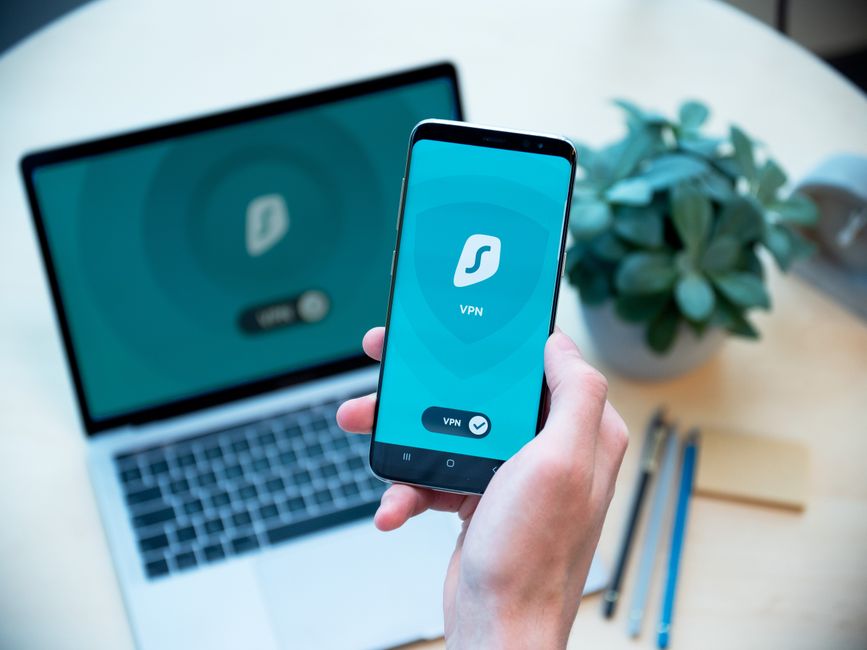
Some platforms offer the ability to use the service without creating an account, or they may allow you to use a temporary session. If privacy is a primary concern, explore such options. Additionally, using a virtual private network (VPN) can mask your IP address, adding another layer of anonymity. However, remember that VPNs do not make you completely invisible, and they are not a substitute for careful information sharing. Always assume that anything you type could potentially be accessed by others.
Recognizing and Avoiding Scams
The popularity of AI companions has led to an increase in scams targeting users. Common scams include fake apps or websites that imitate legitimate services, phishing attempts via email or messages, and fraudulent subscription charges. To protect yourself, always download apps from official app stores and verify the legitimacy of websites before entering any personal information. Look for trusted reviews and check the developer’s reputation.
Be wary of unsolicited messages that ask for personal details or prompt you to click on suspicious links. These could be attempts to steal your credentials. Additionally, be cautious of services that request payment through unconventional methods such as wire transfers or cryptocurrency. Legitimate platforms typically use standard payment gateways. If a deal seems too good to be true, it likely is.
Another common scam involves offers that promise exclusive access to uncensored AI chat or NSFW AI alternatives. While such services exist, fraudulent operators may use these terms to lure users into providing financial information. Always research thoroughly before subscribing to any premium feature. Read user feedback and check for official social media presence. If you encounter a scam, report it to the relevant authorities and the platform itself.
Securing Your Account and Device
Account security is foundational to protecting your privacy. Enable two-factor authentication (2FA) whenever available. This adds an extra layer of protection against unauthorized access. Use unique passwords for each service, and avoid using common phrases or predictable patterns. A password manager can help you maintain strong passwords without the burden of remembering them all.
Keep your devices up to date with the latest security patches and software updates. This is crucial for protecting against known vulnerabilities. Install reputable antivirus and anti-malware software, and run regular scans. Additionally, be cautious when using public Wi-Fi networks, as they can be insecure. If you access AI companion services in public places, consider using a VPN to encrypt your connection.
Regularly review the permissions you have granted to the AI companion app. Some apps may request access to your contacts, camera, or microphone, which are not necessary for the core functionality. Deny such permissions to minimize data exposure. Also, log out of the service after each session, especially on shared devices. By taking these steps, you reduce the risk of account compromise and data leakage.
Safe Practices for AI Roleplay and Prompt Engineering
Engaging in AI roleplay or AI storytelling can be a creative and enjoyable experience. To maximize your safety, approach prompt engineering with a clear understanding of the platform’s capabilities and limitations. Avoid sharing personal anecdotes or real-life details in your prompts, even if they seem harmless. Instead, craft prompts that are entirely fictional in nature. This not only protects your privacy but also enhances the quality of the interaction by allowing the AI to focus on the scenario you present.
When exploring AI personas or immersive conversations, remember that the AI does not have feelings or consciousness. It is a tool that generates responses based on patterns in data. While some services may offer personalized outputs, these are algorithmic results, not genuine understanding. By maintaining this perspective, you can avoid emotional dependency on an AI companion, which could lead to poor privacy choices.
Furthermore, be mindful of the content you generate. Some platforms may store your prompts and responses, and there is a possibility that this data could be shared or leaked. Avoid using your real name or other identifying information in roleplay scenarios. If you are using a service that offers character AI with predefined personas, remember that these are fictional constructs. Keeping your interactions within the realm of fantasy is both a privacy strategy and a way to maintain a healthy boundary between virtual and real life.
Privacy is not a luxury; it is a fundamental right that requires active protection.
In conclusion, using AI companions can be a rewarding experience, but it comes with responsibilities. By understanding data collection, maintaining anonymity, recognizing scams, securing your accounts and devices, and practicing safe roleplay habits, you can enjoy these services while safeguarding your personal information. Remember to regularly revisit your privacy settings and stay informed about new threats. While WEBEST LLC supports the positive use of AI technology, ultimate responsibility for your online safety lies with you. Stay vigilant and proactive, and you can navigate the world of AI companions with confidence.